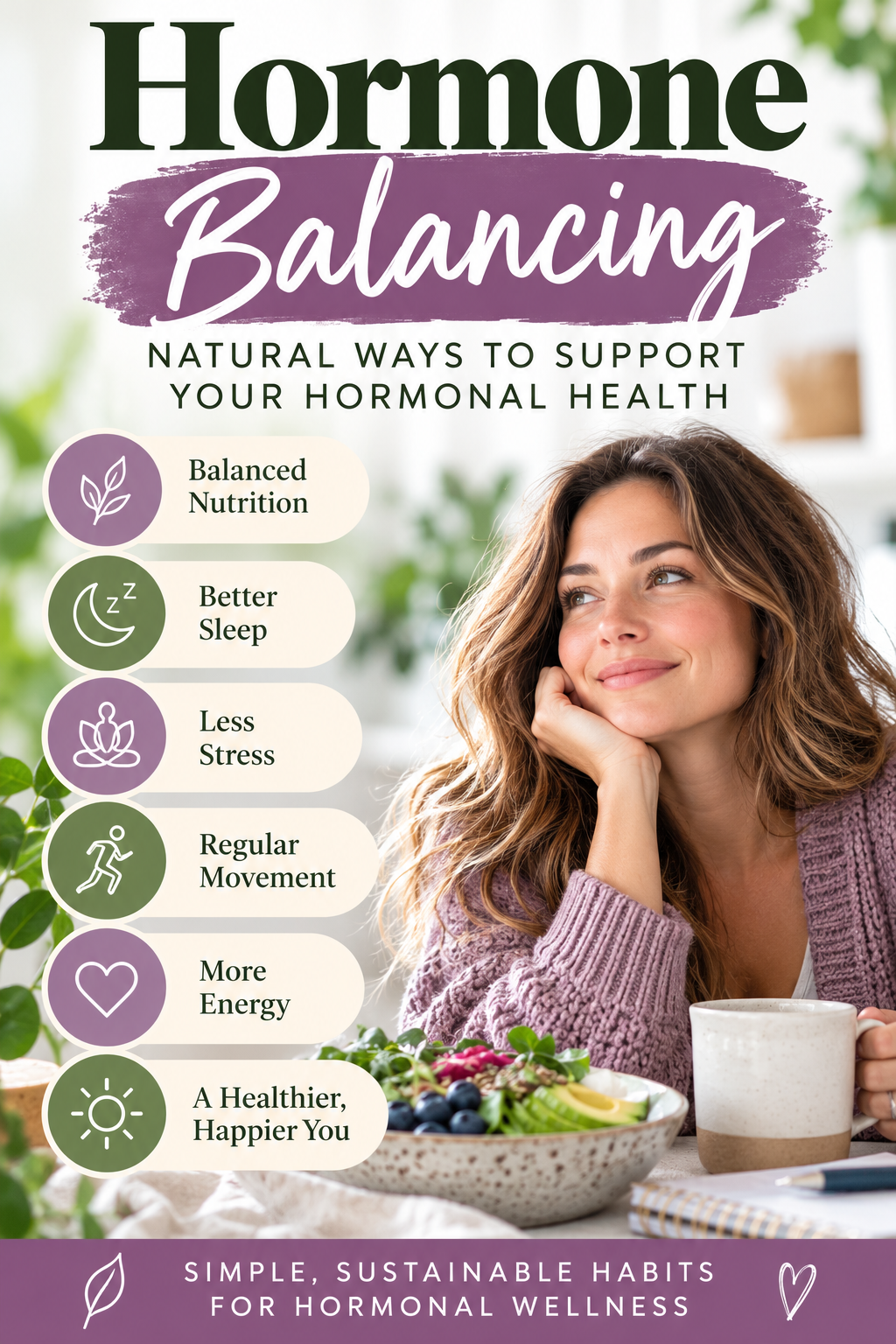
Hormone Balancing: Natural Ways to Support Your Hormonal Health is possible. It can be difficult but it is doable. In this post, I will share with you how to actually do this. Have you ever felt exhausted despite getting enough sleep, struggled with stubborn weight gain, experienced mood swings, or noticed changes in your energy that seem to come out of nowhere? Hormones may be one piece of the puzzle.
Hormones are chemical messengers that help regulate many essential functions in your body, including metabolism, sleep, appetite, reproduction, stress responses, and mood. When hormone levels change or the body becomes less responsive to certain hormones, you may notice symptoms that affect your everyday life.
The good news is that healthy lifestyle habits can support normal hormonal function. From eating balanced meals and prioritizing sleep to managing stress and staying physically active, small, consistent changes can make a meaningful difference in your overall well-being.
However, hormone balancing is not about achieving a perfect set of hormone levels or taking every supplement marketed for hormonal health. It starts with understanding your body, identifying possible underlying issues, and choosing strategies supported by evidence.
In this guide, we’ll explore what hormone balance really means, common signs of hormonal changes, and practical ways to support your health naturally.
What Does Hormone Balancing Actually Mean?
The term hormone balancing is often used in wellness conversations, but it can mean different things depending on the person and their symptoms.
Your endocrine system includes glands and organs that produce hormones, such as the thyroid, adrenal glands, pancreas, ovaries, and testes. These hormones work together to regulate processes throughout your body.
Some of the hormones that play important roles in everyday health include:
- Insulin: Helps regulate blood glucose by allowing cells to take up and use glucose.
- Thyroid hormones: Help regulate metabolism, energy use, and body temperature.
- Estrogen: Plays a role in reproductive health, bone health, and other body functions.
- Progesterone: Helps regulate the menstrual cycle and supports pregnancy.
- Cortisol: Helps regulate the stress response, blood pressure, metabolism, and immune activity.
- Melatonin: Helps regulate the sleep-wake cycle.
- Testosterone: Contributes to sexual function, muscle and bone health, and other processes in people of all sexes.
These hormones naturally fluctuate throughout the day and across different stages of life. Menstrual cycles, pregnancy, menopause, aging, sleep patterns, medications, and health conditions can all influence hormonal activity.
The goal is not to keep every hormone at one fixed level. It is to support normal physiological function and identify and treat hormonal disorders when they occur.
Common Signs of Hormonal Changes
Hormonal changes can produce a wide range of symptoms. However, many of these symptoms can also be caused by sleep problems, nutritional deficiencies, medication effects, stress, or other medical conditions.
Here are some common concerns that may warrant further investigation.
1. Persistent Fatigue
Feeling tired occasionally is normal, but persistent exhaustion that interferes with daily activities deserves attention.
Possible contributors include:
- An underactive thyroid
- Iron deficiency or anemia
- Sleep apnea or other sleep disorders
- Blood glucose regulation problems
- Menopause-related sleep disruption
- Medication side effects
If fatigue is ongoing, it is worth discussing your symptoms with a healthcare professional rather than assuming you have a cortisol imbalance or another specific hormonal problem.
2. Unexplained Weight Changes
Hormones influence appetite, metabolism, fluid balance, and how the body processes nutrients.
For example, an underactive thyroid can contribute to weight gain, while insulin resistance can affect glucose regulation and increase the risk of developing type 2 diabetes.
Menopause can also coincide with changes in body composition and fat distribution.
However, weight changes are rarely explained by a single hormone alone. Sleep, diet, activity, medications, genetics, and other health factors also matter.
3. Irregular Menstrual Cycles
Changes in menstrual cycle length, missed periods, unusually heavy bleeding, or other menstrual symptoms may be associated with hormonal changes.
Potential causes include:
- Polycystic ovary syndrome (PCOS)
- Thyroid disorders
- Perimenopause
- Pregnancy
- Significant changes in weight, nutrition, or exercise
- Certain medications
New or persistent menstrual changes should be evaluated, especially if you experience very heavy bleeding, severe pain, or bleeding after menopause.
4. Mood Changes and Brain Fog
Estrogen and other hormones interact with systems involved in mood, sleep, and cognitive function. Some people notice changes in concentration, mood, or memory during perimenopause or around different phases of their menstrual cycle.
Still, brain fog and mood changes are not specific to hormonal imbalances. Poor sleep, stress, depression, anxiety, nutritional deficiencies, and other conditions can produce similar symptoms.
Tracking when symptoms occur may help you and your healthcare professional identify patterns.
5. Changes in Skin and Hair
Hormonal changes can affect oil production, hair growth, and the hair growth cycle.
For example, androgen-related changes can contribute to acne or unwanted facial hair, while thyroid disorders may contribute to hair thinning or dry skin.
Sudden hair loss, significant acne changes, or new excessive facial hair are worth discussing with a healthcare professional.
8 Natural Ways to Support Hormonal Health
You do not need an elaborate wellness routine to support your endocrine system. Consistent habits involving food, movement, sleep, and stress management provide a practical foundation.
1. Eat Balanced Meals to Support Blood Sugar
Blood glucose regulation is an important part of metabolic and hormonal health.
Meals that combine protein, fiber-rich carbohydrates, healthy fats, and vegetables can help provide sustained energy and support more stable blood glucose levels.
Consider including foods such as:
- Eggs, chicken, turkey, fish, and other protein sources
- Leafy greens, broccoli, peppers, and other vegetables
- Beans, lentils, and other fiber-rich foods, as tolerated
- Berries and other whole fruits
- Nuts, seeds, avocados, and olive oil
- Whole grains or other minimally processed carbohydrate sources that fit your dietary needs
You do not need to eliminate all carbohydrates to support hormonal health. Your ideal intake depends on your activity level, preferences, medical conditions, and individual nutritional needs.
If you have insulin resistance, a registered dietitian or healthcare professional can help you develop an eating pattern that supports blood glucose management without unnecessary restriction.
2. Include Enough Protein and Fiber
Protein supports muscle maintenance, tissue repair, and satiety. Fiber supports digestive health and can help improve blood glucose and cholesterol management.
Try including a source of protein at each meal and gradually increasing fiber through vegetables, fruit, legumes, nuts, seeds, and whole grains.
If you follow a gluten-free or dairy-free diet, you can still meet these needs through foods such as eggs, poultry, fish, beans, quinoa, chia seeds, and fortified plant-based products.
Increase fiber gradually and drink enough fluids to reduce the likelihood of digestive discomfort.
3. Prioritize Consistent, Restorative Sleep
Sleep affects several systems involved in hormonal regulation, including those that influence appetite, glucose metabolism, and stress responses.
Helpful habits include:
- Keeping a consistent bedtime and wake time.
- Getting natural daylight early in the day.
- Limiting caffeine later in the day if it affects your sleep.
- Creating a cool, dark, comfortable bedroom.
- Developing a relaxing evening routine.
- Reducing stimulating activities close to bedtime.
Adults generally need at least seven hours of sleep per night, although individual needs vary.
Importantly, sleep quality matters as much as the number of hours you spend in bed. If you snore loudly, wake up gasping, experience morning headaches, or remain excessively sleepy during the day, talk with a healthcare professional about possible sleep apnea.
4. Manage Stress Without Expecting Yourself to Be Perfect
Stress activates systems that involve cortisol and other hormones. Short-term stress is a normal part of life, but ongoing stress can affect sleep, mood, appetite, and daily habits.
You cannot eliminate every stressor, and you do not need to turn stress management into another demanding task.
Instead, experiment with simple practices such as:
- Taking a short walk outdoors
- Practicing slow, comfortable breathing
- Journaling for five minutes
- Listening to calming music
- Spending time with supportive friends
- Setting boundaries around work and personal commitments
- Scheduling regular breaks throughout the day
These practices can support well-being, even though they do not guarantee that a specific hormone level will change.
The goal is to develop a routine that helps you recover from everyday demands rather than striving for a completely stress-free life.
5. Incorporate Regular Movement
Physical activity supports insulin sensitivity, cardiovascular health, muscle strength, mood, and sleep.
A balanced routine might include:
- Walking or another form of aerobic activity
- Strength training two or more days per week
- Gentle mobility exercises
- Yoga, swimming, dancing, or other activities you enjoy
The general recommendation for adults is at least 150 minutes of moderate-intensity aerobic activity per week, along with muscle-strengthening activities on two or more days.
You can build toward these targets gradually. If you have significant fatigue or a medical condition that limits exercise, choose an appropriate starting point with guidance from your healthcare professional.
More exercise is not always better. Excessive training combined with insufficient food and recovery can disrupt menstrual function and other aspects of health.
6. Eat Foods That Provide Essential Nutrients
Your endocrine system needs adequate nutrition to function normally. However, no single food can correct every hormonal problem.
Several nutrients deserve attention.
Magnesium: Found in pumpkin seeds, almonds, spinach, beans, and other foods. Magnesium contributes to normal muscle and nerve function and energy metabolism.
Vitamin D: Found in fortified foods and some fish. Sun exposure and supplements can also contribute, but vitamin D needs vary. Testing may be appropriate in certain circumstances.
Zinc: Found in seafood, poultry, meat, beans, nuts, and seeds. Zinc supports immune function and many enzymatic processes.
Iodine: Needed to produce thyroid hormones. Sources include iodized salt, seafood, dairy products, and some seaweeds. Both too little and too much iodine can cause problems, particularly for people with thyroid disease.
Iron: Found in foods such as poultry, seafood, beans, and fortified cereals. Iron deficiency can contribute to fatigue and should be addressed when present.
A varied diet is generally the best starting point. Supplements are most useful when they address a documented deficiency or a specific need, rather than being taken indiscriminately.
7. Limit Alcohol and Avoid Smoking
Alcohol can affect sleep, liver function, and several aspects of reproductive and metabolic health. Smoking also contributes to numerous health risks, including cardiovascular disease.
If you drink alcohol, reducing consumption may support your overall health. Avoiding alcohol can be particularly important during pregnancy and for certain medical conditions or medications.
If you smoke, professional support can make quitting more manageable.
These changes are more meaningful than relying on detox products or restrictive cleanses marketed as hormone resets.
8. Reduce Exposure to Potentially Harmful Chemicals Where Practical
Some environmental chemicals can interfere with endocrine signaling. These are often referred to as endocrine-disrupting chemicals.
You do not need to replace every household product or become fearful of everyday exposures. Practical steps may include:
- Following food packaging instructions when heating meals.
- Using glass or other suitable containers for hot foods when convenient.
- Washing produce under running water.
- Avoiding unnecessary use of pesticides and following product safety instructions.
- Choosing personal care products that suit your needs and budget.
Evidence about individual chemicals and specific health outcomes varies. No product or lifestyle change can eliminate all exposure, and there is no need to purchase expensive products claiming to detox your hormones.
Hormonal Health and Insulin Resistance
Insulin resistance occurs when cells respond less effectively to insulin, the hormone that helps regulate blood glucose.
The pancreas may compensate by producing more insulin. Over time, insulin resistance can contribute to prediabetes and type 2 diabetes.
Some people with insulin resistance also have PCOS, but the conditions are not interchangeable, and insulin resistance does not automatically mean that someone has PCOS.
Lifestyle strategies that may improve insulin sensitivity include:
- Eating balanced meals with adequate protein and fiber.
- Engaging in regular physical activity.
- Including strength training when appropriate.
- Getting sufficient, restorative sleep.
- Working toward a sustainable weight goal if weight loss is medically appropriate.
- Following recommended blood glucose screening and treatment plans.
If you have been diagnosed with insulin resistance, ask your healthcare professional whether tests such as fasting glucose, HbA1c, or a lipid panel are appropriate for your situation.
Avoid assuming that symptoms alone can tell you whether insulin levels are high or low.
Hormonal Health and Thyroid Function
The thyroid produces hormones that influence metabolism, energy use, body temperature, and many other processes.
Thyroid disorders can cause symptoms such as fatigue, changes in weight, constipation, dry skin, hair changes, or sensitivity to heat or cold. These symptoms overlap with many other conditions, so evaluation is important.
Hashimoto’s thyroiditis is an autoimmune condition in which the immune system attacks thyroid tissue. It can eventually lead to hypothyroidism, although thyroid function varies among individuals.
If you have Hashimoto’s or another thyroid condition, consider these practical steps:
- Take prescribed thyroid medication exactly as directed.
- Follow your clinician’s recommendations for thyroid function testing.
- Discuss supplements and possible medication interactions with your healthcare professional.
- Avoid high-dose iodine supplements unless specifically recommended.
- Ensure adequate nutrition without adopting unnecessarily restrictive diets.
Lifestyle changes can complement medical treatment, but they do not replace thyroid hormone medication when it is needed.
There is also no single diet proven to cure Hashimoto’s. Dietary choices should support nutritional adequacy, symptom management, and overall health.
Hormonal Changes During Perimenopause and Menopause
Hormone levels change naturally throughout a person’s life. During perimenopause, estrogen and progesterone fluctuate, and menstrual cycles may become irregular before menstruation eventually stops.
Common symptoms include:
- Hot flashes and night sweats
- Sleep disruption
- Changes in mood
- Vaginal dryness
- Changes in sexual desire
- Changes in body composition
Healthy lifestyle habits can support overall health during this transition, but they may not relieve every symptom.
Depending on your symptoms and medical history, options may include menopausal hormone therapy, nonhormonal prescription treatments, vaginal moisturizers, or other targeted therapies.
Menopausal hormone therapy is not appropriate for everyone, and its benefits and risks depend on individual factors. A qualified healthcare professional can help you evaluate your options.
Be cautious about supplements marketed as natural estrogen or progesterone replacements. Their effectiveness, purity, and safety can vary considerably.
Do Hormone-Balancing Supplements Work?
The supplement industry offers products that promise to balance estrogen, lower cortisol, improve progesterone, or reset your hormones.
Some supplements can be useful in specific circumstances, but many broad hormonal claims are not supported by strong clinical evidence.
Before taking a supplement, consider the following:
- Vitamin D: May be useful when intake is inadequate or deficiency is present.
- Magnesium: May help meet nutritional needs when dietary intake is insufficient, but it is not a universal hormone-balancing treatment.
- Omega-3 fatty acids: Can contribute to overall nutritional and cardiovascular health, although they are not a cure for hormonal imbalances.
- Herbal products: Ingredients such as ashwagandha, chasteberry, and other botanicals have varying levels of evidence and may cause side effects or interact with medications.
- Iodine: Essential for thyroid hormone production, but excessive intake can worsen certain thyroid conditions.
Dietary supplements are not automatically safe because they are labeled natural. Quality, dosage, interactions, and individual health conditions all matter.
If you take prescription medication, are pregnant or breastfeeding, or have thyroid or other endocrine conditions, consult a qualified healthcare professional before starting a new supplement.
When Should You See a Healthcare Professional?
Lifestyle habits are valuable, but persistent symptoms may require medical evaluation.
Consider scheduling an appointment if you experience:
- Ongoing fatigue that affects everyday activities
- Unexplained weight changes
- Persistent menstrual irregularities
- New or worsening acne or excessive facial hair
- Significant hair loss
- Unusual thirst or frequent urination
- Symptoms suggesting thyroid dysfunction
- Severe hot flashes or sleep disruption
- Difficulty becoming pregnant when seeking pregnancy
Your healthcare professional may recommend tests based on your symptoms, age, medications, menstrual history, and medical background. Depending on the circumstances, evaluation might include thyroid function, blood glucose, iron status, or specific reproductive hormones.
Broad hormone panels and tests performed without a clear clinical reason can be difficult to interpret because hormone levels naturally fluctuate. Testing should be tailored to the question being investigated.
Seek prompt medical attention for severe symptoms, including very heavy bleeding, fainting, severe abdominal pain, or other sudden and concerning changes.
A Simple Daily Routine for Hormonal Wellness
You do not need to overhaul your entire life at once. Start with a few habits that fit your current schedule.
Morning
- Get some natural daylight.
- Eat a balanced breakfast if it suits your needs.
- Take prescribed medications as directed.
- Identify one realistic priority for the day.
Afternoon
- Build balanced meals around protein, fiber, and nourishing fats.
- Take a short walk or movement break.
- Drink water regularly.
- Pause briefly between demanding tasks.
Evening
- Eat a satisfying dinner.
- Make time for a calming activity.
- Reduce late-day caffeine if it affects your sleep.
- Maintain a consistent bedtime.
Weekly
- Plan a few simple meals.
- Schedule movement you enjoy.
- Review your energy, sleep, and symptom patterns.
- Make time for social connection and activities that help you recharge.
If you have ongoing symptoms, consider keeping a short symptom diary that records sleep, menstrual cycle changes, energy, medications, and other relevant factors. This can help you identify patterns and prepare for a more productive medical appointment.
Frequently Asked Questions About Hormone Balancing
How long does it take to balance hormones naturally?
There is no universal timeline. Lifestyle changes may improve sleep, energy, or blood glucose regulation over time, but the response depends on the underlying issue and the individual. Conditions such as hypothyroidism or PCOS may require medical treatment in addition to lifestyle changes.
What is the best diet for hormone balance?
There is no single hormone-balancing diet that works for everyone. A varied eating pattern with adequate protein, fiber-rich foods, healthy fats, and essential nutrients is a useful foundation. Individual needs may differ for people with diabetes, thyroid disorders, food intolerances, or other medical conditions.
Can stress cause hormonal imbalances?
Stress activates hormonal systems, including those involved in cortisol release. Ongoing stress can also affect sleep, appetite, and behavior. However, not every symptom associated with stress indicates a hormone disorder, and stress management alone will not correct every endocrine condition.
Does hormone balancing help with weight loss?
Hormones influence appetite, metabolism, and fluid balance, but weight management involves multiple factors. Treating an underlying thyroid disorder or improving insulin sensitivity may help in certain circumstances. Hormone supplements or restrictive diets should not be used for weight loss without appropriate medical guidance.
Can essential oils balance hormones?
Essential oils may be used for fragrance, relaxation, or other personal care purposes, but there is insufficient strong clinical evidence that they can reliably correct hormone imbalances. Aromatherapy should not replace medical evaluation or treatment.
Do I need a hormone test?
Not necessarily. Testing is most useful when it addresses a specific clinical question. A healthcare professional can determine whether hormone testing is appropriate based on your symptoms, medical history, and other findings.
Final Thoughts: Support Your Hormones One Habit at a Time
Hormonal health is influenced by a combination of genetics, age, medical conditions, nutrition, physical activity, sleep, medications, and environmental factors.
Although no single food, supplement, or wellness routine can balance every hormone, everyday habits can help support your body’s normal functions. Eating nourishing meals, moving regularly, protecting your sleep, managing stress, and seeking appropriate medical care are all valuable places to begin.
Most importantly, do not dismiss persistent symptoms or assume that you need an expensive hormone reset. Understanding the cause of your symptoms is often more useful than chasing a perfect hormone level.
Start with one or two manageable changes, pay attention to how you feel, and seek professional guidance when something does not seem right.
You do not need to do everything perfectly to support your health. Consistent, sustainable habits are a better foundation than quick fixes.
Disclaimer: This article is for educational purposes only and is not a substitute for medical advice, diagnosis, or treatment. Consult a qualified healthcare professional about persistent symptoms, suspected hormonal disorders, or supplements and treatments that may affect your health.
Check out this natural hormone balancing kit to help you.
Request a free foundations of wellness supplements kit.
Autoimmune Healing Blueprint Kit with Ebooks and Video
Did you find this helpful? Donate to help me be able to continue writing more content.
My Favorite Products (Affiliate links- if you make a purchase I may earn a small commission)
Thrive Market - healthy gluten free, sugar free and speciality online food and household products
Silk and Sonder Monthly Journals and Planners
My Portable Infrared Sauna
Self Care Journal
Olipop - healthy soda with probiotics and prebiotics
Digestion Kit
Stress Oils


