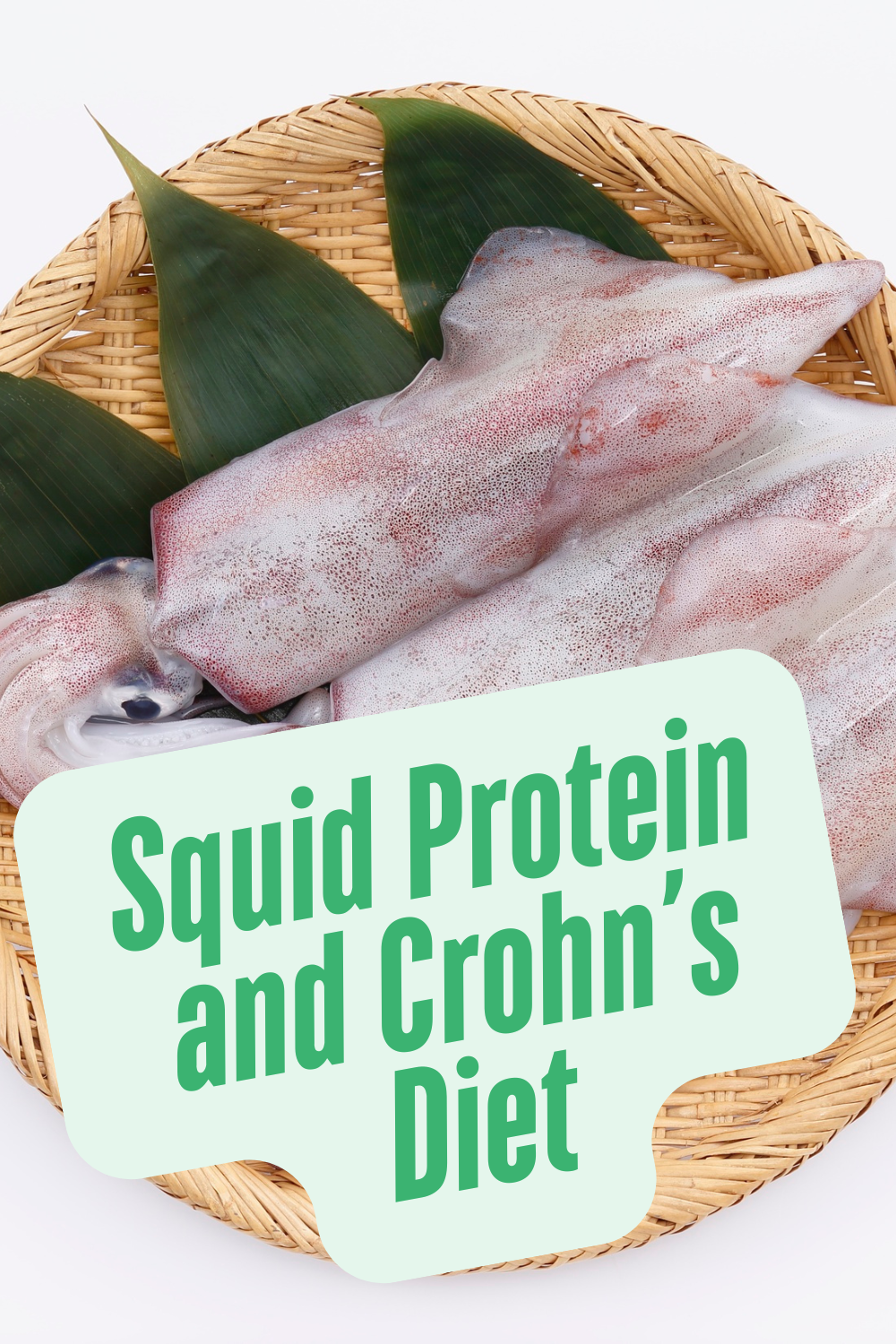
If you’ve ever wondered whether seafood proteins — especially squid — are safe for a Crohn’s-friendly diet, this episode is for you. Today I’m joined by a guest expert who breaks down what squid protein really does in the body, how it compares to other lean proteins, and why it may not be the digestive trigger many people fear. We dive into: The nutritional profile of squid and how it supports gut repair Why some Crohn’s patients tolerate squid better than traditional proteins How to identify food sensitivities without over-restricting Simple ways to incorporate squid into a low-inflammation diet What to avoid so your Crohn’s symptoms don’t flare This conversation brings a refreshing and science-backed perspective to Crohn’s diet myths. Listen in to discover whether squid protein could be an unexpected ally in your healing journey.
Steven Shonts struggled with an autoimmune digestive issue in his early 20s ( missing 6 inches of my small intestine), and found that he could achieve remission through clean eating. He majored in college in earth systems science and has always wanted to create a product that he felt had a positive impact on the earth. and he’s spent the past two years travelling around asia, especially thailand where he lives part time, discovering a bunch of delicious and wonderful protein snacks. He wanted to meld all these passions and calamari jerky was the obvious vector to do so!
Check out the jerky at https://thehermit.com/discount/HEALING-AUTOIMMUNE or coupon code HEALING-AUTOIMMUNE for 30% off your order”
Follow Steven on instagram at: instagram.com/thehermitsquid
My youtube channel with videos of this podcast and more.
https://youtube.com/c/annalaurabrownhealthcoach
AnnaLaura Brown: Okay, hello everybody and today I am really happy to welcome Stephen Shants to autoimmune rehab and we are going to be having a really interesting conversation about Crohn’s disease about you know some of the things that are in our food that are more than likely contributing to a lot of digestive issues and autoimmune issues and then about his journey and mission to actually help create some healthier snacks to help people not just with Crohn’s but or really even not just with autoimmune, but just, you know, healthier in general for people. So, welcome to Automine Rehab, Stephen. Start off by telling us a little bit about yourself.
Steven Shonts: Hi. Uh, yeah. So, I’m uh I’m 35 years old. So, I I uh I think I got into the food and nutrition space in a in a pretty way. Um, I st I guess it all really started off when I was uh 19 and I was uh I was hospitalized and then and diagnosed with Crohn’s disease and um that was a pretty traumatic experience coming as it did my sophomore year of college.
00:01:05
Steven Shonts: Um I think it’s a it’s a tough time for a lot of people. You’re really starting to you know socially um blossom, meeting a lot of new people um and really changing a lot. And uh that was really hard. I was I was in the hospital for almost 2 weeks um cuz my my terminal illium had sort of basically swollen swollen shut um and they they discovered that there are all these they call them strictctures and um you know that the diagnosis is it’s a really tough one to receive I think because it’s so non-specific um in both its its cause and its treatment. And you know my understanding is it’s still very much like that. it’s when someone tells you you have Crohn’s, it’s it’s just basically a set of symptoms and it’s not even really um you know, this is what caused it. Um, and then when it comes to treatment, um, you know, I I I saw a lot of different gastroenterologists over the course of the next couple years. And, um, I was, well, immediately they put me on a drug called Prennazone, a corticosteroid, which I’m sure most most folks with autoimmune conditions are familiar with, but, um, I was on them for about 4 months, uh, a pretty high dose.
00:02:15
Steven Shonts: And that came with its whole own set of these um you know you call them side effects. Uh I think in retrospect uh the the prennazone is is in in many ways responsible for a lot of the subsequent health issues and gastrointestinal issues that I faced as well. Um but I slowly tapered off that. They then um put me on to hum um which I was on for um about two years. And uh you know during this whole time again the symptoms were constantly evolving. They weren’t necessarily getting better and in some cases they were getting worse. And um you know both of my parents were really into sort of let’s say alternative medicine in in one form or another. So I tried a lot of different things during this period. Um uh you know supplements, herbs, um uh different different practices. Uh, but diet was always kind of it it seemed to me like a really potentially a fruitful route to try to experiment with. And I I distinctly remember leaving the hospital that first time and asking, you know, I I hadn’t been able to eat any any food at all for almost a week when I was in the hospital and then they just had me on liquid liquid foods um after the predinazone had had made the swelling go down.
00:03:39
Steven Shonts: And uh yeah, so I I just I remember asking them like are there foods that I should avoid um with this diagnosis like or or are there things that I should focus on eating? And the uh the doctor said u there’s this diet called the BRAT diet which is I believe it’s bananas, rice, applesauce, and toast. Um and and he said those are good because they’re they’re soft like they’re soft foods. And so intuitively your um intestine is going to want something like that. And I I kind of even at the time I remember being like that I don’t know if like those don’t really sound like nutritious foods uh like things that would would spur healing of the gut. And and then subsequently I learned like a lot of them are like just trigger foods for for many people with with autoimmune. So that that that was kind of like ever ever since that conversation I was like there there must be kind of a better a better diet or something or or some better options. And so I was I was vegan um for for about a year actually.
00:04:44
Steven Shonts: Um because my my mom was always a vegetarian and she was very convinced that that would be a beneficial thing. Um it didn’t personally improve my my symptoms. Um, I did a thing called like like a raw food macrobiotic diet. And then um actually my mom gave me a book um a couple years after you know I got the initial diagnosis called breaking the vicious cycle by Ela Gotchaw and she proposed this kind of theory of you know Crohn’s and some other inflammatory bowel diseases that uh you know you have this microbiome with bacteria and yeast and and we v viruses we now know that are kind of you know healthy individuals they all kind of work together form this ecosystem. and and that in um you know Crohn’s, colitis and and even other autoimmune non uh autoimmune conditions that aren’t primary to the gut um that that microbiome gets sort of upset or enters a state called disbiosis which would just be like um you know she doesn’t propose a specific bacteria that say is is present in people with Crohn’s that is not present in healthy people or or vice versa that maybe the people in Crohn’s lost an important bacteria.
00:05:59
Steven Shonts: I think the general idea is just like there there’s something kind of a little out of whack about the the the ecosystem of bacteria, yeast, and everything in the Crohn’s gut. And and she just really is quickly centers in on on complex carbohydrates as um you know, maybe try try removing these from your diet along with other very very common trigger foods. Um she actually recommends to continue to eat dairy but in the form of a heavily fermented um kind of yogurt. Um cuz she she says that this basically will remove all the the um you know the the the lactose from from the product. And um I I chose not to to eat any dairy on this diet because I knew that it I I have a lot of skin um reactions to dairy, like really bad acne um that I I’d even knew it at that point. But so I did this diet for it was a good two or three weeks and it’s really quite quite difficult as anyone who’s done an elimination style diet knows like you you have to be basically cooking your own food.
00:07:04
Steven Shonts: You you can’t be going eating out in a restaurant. um it’s difficult to eat with friends to to travel especially in a foreign country. Um but I I managed to to do this for um it was really I think after about two weeks that I just really started seeing dramatic results and I had always had a really distended stomach. um which people talk about as like the result of like a small intestinal bacterial overgrowth or um people have different kind of terms to talk about that you know that all went away like gas um bloating constipation uh and then my my skin really cleared up and so that was the first like real like aha like um I don’t I’m not cured right um and I I I still don’t ever use that word because I think that people with these conditions we don’t have a cure for them. Um we just have management but I I think that I was I was very much in remission at that point. And so that that that was almost 10 years ago.
00:08:08
Steven Shonts: It was o over 10 years ago now. And ever since then, I’ve been I’ve been just playing with kind of different versions of that diet, which focus on um being very careful about the types of carbohydrates and the quantities that you you ingest. And um you know, I basically will I completely avoid uh uh mo grains and and and so you know, over a decade ago, the whole 30 came came around. And I know that the the use of that diet, it’s not necessarily meant to be a a permanent thing that you adhere to, but that captures pretty closely um how I eat. Uh in addition, you know, uh the paleo paleolithic diet. Uh although I think you know through a lot of personal experimentation I’ve I’ve come to specific foods that maybe I include that that wouldn’t be allowed there or or vice versa just because um through paying really close attention to what what I’m what I’m eating and then the subsequent reaction of my different um the different parts of my body and stuff. I think I’ve been able to tease out that they’re just there’s some things that that I I can’t I can’t tolerate for whatever reason.
00:09:19
Steven Shonts: Um,
AnnaLaura Brown: Yeah, that’s a good point. Yeah, and you bring up I mean like a lot of good points there. I mean, unfortunately, you know, too many doctors just they’re not trained even in basic nutrition a lot of times, let alone in gut health nutrition and nutrition for people with more of the chronic conditions like the Crohn’s disease, you know, and yeah, I mean, recommending the soft foods, well, okay, you know, and depending on the person, bananas or applesauce could be okay, but like you said, the dairy and the toast and the gluten, those are those are big triggers for anybody with autoimmune or any kind of a digestive. Well, that’s you know
Steven Shonts: Yeah. And I think that that that statement really applies to a lot of the therapies or it’s really the the traditional medical um western medical approach to these diseases. Um I I I understand why it is the way it is because um you know a doctor you know there there legal implications but they’re also scientific ones for the doctor recommending or prescribing something that doesn’t have like a double blind placeboc controlled uh data behind it.
00:10:29
Steven Shonts: But when you start to dig into that, it’s it’s most of those medicines, devices, etc. in the United States especially, um, you know, there needs to be some incentive for that research to happen in the first place. And that’s really difficult with certain types of therapeutics, medicines, herbs, things that essentially um, well, one, things that can’t be patented or things that don’t have maybe a really clear um, business logic behind them. uh I I think it becomes it becomes harder to get funding uh to to do that research in the first place. Um you know something like a a fecal microbial transplant. Um which I think that there’s a lot of promising promising data in different ways behind it. But um the FDA has always been very very reluctant to to even you know endorse or or allow something like that to happen because you know if you think about it it doesn’t make sense why a conventional doctor would maybe be really wary of introducing what is what is viewed traditionally by the medical establishment as like toxic material right pathogenic material from one person into into another person’s like colon.
00:11:41
Steven Shonts: And so as a result, it’s I think it’s been really hard for people to do research on it and to get funding to do research on it. Um, and then I think that there are a lot of other whether they’re like things like mindfulness, breathing exercises, um, or uh, specific therapeutics that are like, um, you know, like herbs or supplements, things like that that it’s it’s difficult for someone to bring it to market because there’s you need all this money to do the the research and the trials. But it’s just difficult to get that funding up front from someone um especially outside of like a a a grant or a government agency. Um and and then yeah, when you when you talk about diet as a way to manage any of these conditions, well, diet diet’s free. I mean, you have to pay for the food, but you have to pay for food anyway. And so there’s um I don’t want to sound right conspiratorial because I don’t think that that’s what’s going on, but I do think it’s it it makes me a little bit sad that that it’s not at least more of of a suggestion on the part of a doctor to say, well, certain people do have, you know, trigger foods, and what those are, we can’t necessarily tell you.
00:12:56
Steven Shonts: um we we we could give you a broad set of candidates and and yeah, maybe just spend some time experimenting. Journal journal what you’re eating and your symptoms and be really patient about it because many times the the symptoms that you get from eating a food can take uh potentially a week or two or or even longer in some cases to show up uh after you eat them. But, you know, I think I think a doctor telling that to a patient, they they have to be careful about how they frame it because you don’t want the person to develop some sort of disordered eating. Um, and but but just developing a more mindful understanding of what you take in does affect your health state. um and and just uh beginning the the journey to to kind of connect the dots there as as an individual knowing that every individual is different. I I think that that could really provide help to a lot of people with these conditions and and yeah, it’s a little it’s sort of sad that I think a lot of doctors still are so reluctant to even, you know, breach the topic.
00:14:02
AnnaLaura Brown: For sure. Absolutely. And did you along the way, you obviously mentioned that you did a lot of your own journaling to recognize what kinds of foods were bothering you? You know, you found that book, you did, you know, elimination diet, experimented with different things like that. Did you go see any other kind of healthc care practitioner, nutritionist or anything like that about your Crohn’s or did you mostly just kind of find your own way so to speak?
Steven Shonts: Uh, so yeah, I I didn’t um I spent a lot of time on the internet, which I think anyone who’s who has one of these conditions knows that that’s um you really need a high degree of skepticism. Um and uh because because there’s so many people have stories or or you know they’re like well yeah I just I started taking this and and it it cured my my thing and I don’t worry about it anymore. Um or right I started doing this one thing. And I I think you know I think there is misinformation on the internet for for one.
00:15:08
Steven Shonts: Um and and there there’s there are conflicts of interest everywhere because many people are trying to to sell things which is unfortunate. Um I think more important than that is like everybody is is so different and so what works for one person is is not necessarily going to work for you. I I don’t want to I don’t want to sit here and say like don’t eat dairy or don’t eat gluten. There there are plenty of people who are perfectly healthy in this world who eat a lot of gluten um every day. So, uh I I would Yeah.
AnnaLaura Brown: Not usually people with autoimmune conditions though in my experience. Yeah.
Steven Shonts: Yeah. Sure. But um but but yeah, I guess my my point is just like if you’re going to wade into the depths of the internet, I think that there’s a lot of potentially useful things to be gleaned there, but you need some framework, you know, for yourself to understand would this would this opinion, would this advice potentially help me? And then if you choose to try to um try attempt it um you know you need to understand like well one is it safe like that that’s that’s important and sometimes there’s some advice on the internet that maybe you should think twice about um and then third do you have some way to track and assess um so I’m I’ve always been really interested in data and and my field my career um in my 20s was really
00:16:33
Steven Shonts: focused on on data analytics and and data science. So, I have this like spreadsheet that I set up way way back like 12 15 years ago that just tracked every everything that I ate and I tried to categorize it in terms of macros, but also like like protein, fat, carbs, but also any potential trigger foods in there, you know, whether that’s soy or eggs, right? both of which I don’t I don’t really have that that many um issues with but or or something like dairy or gluten. And then um I had a separate kind of table where I track my my self-reported symptoms. And some of these are pretty subjective. It’s just like did I feel my what was my energy state that day? You know, did I was I feeling like really kind of like like outgoing like I wanted to go see people or or was I sort of feeling maybe depressed or really anxious? Um, but then some of the body things are are a lot easier to score, right? You can look at your your stool, for example, which I know some people may be reluctant to keep data on something like that, but I think there’s a lot of information to be gleaned like is it is it solid?
00:17:42
Steven Shonts: Is it liquid? Is it would I you know, did I have a bowel movement that day? Um, and and my skin is also a real canary in the the coal mine in some ways. And um I’ve always struggled with with like cystic acne. Um it was especially bad um right after I stopped taking the predinazone. Uh but it’s it’s it’s been um it’s I’ve had flare-ups of of of pretty pretty severe acne um subsequently as well. So when you start to combine what are you taking in and and what are the what are the symptoms um you can you can back into some pretty clear relationships. And again, the only thing I would really caution people with there is that my skin it can it can take it can take a month um or or more for a specific food that I’m eating to actually cause a flare of of acne. I think the gastrointestinal symptoms is it’s a shorter lag. But I think a mistake a lot of people make is like they they say reintroduce a food after an elimination diet and and they feel fine for for a couple days and and then they’re like, “Oh, great. That
00:18:54
Steven Shonts: that must be something that I can handle.” But um the lags are are highly variable and can be pretty long with that that type of thing.
AnnaLaura Brown: Yeah, that’s good. That’s a good point to keep in mind. So, you fast forward then to probably I guess a couple years ago and you started your company that you have now where you make like protein snacks for people. So, tell us a little bit about those like what’s in them? What was the journey like to start that? All that kind of stuff.
Steven Shonts: Yeah. Um, so I think a core a core thing and and and whether this is so like a lot of the the habits I have in life are not necessarily specific to autoimmune. Um I I did I struggled um you know just to be candid with um with depression and anxiety a lot as well es especially during college and I I think you know I’ve always thought that there’s a there’s a relationship between all all these things like the you know the vag nerve um kind of mediates the communication between your your your uh gastrointestinal system and and your brain and and that’s a that’s a two-way connection.
00:20:05
Steven Shonts: So, it always made sense to me that like not just if you’re if you’re in a lot of pain, you’re feeling discom, you know, discomfort and um you just kind of feel like you don’t want to move or see anyone that potentially that can cause anxiety and depression. Vice versa, right? Um that in many ways you can sort of manifest or project um psychological feelings and states onto your onto your body. Um, and I think that there’s a lot of really interesting research and studies and theories that um, so like Steven Poris and the the poly veagal theory, he’s written a couple books that are just like to me mind-blowing about um, about the the relationship between your your your psychological state and your your physiological one. But so so all that all that to say that yeah, I struggled a lot with anxiety and depression. they they correlated with with my physical symptoms of of the Crohn’s as well. But um yeah, you had a very interesting guest on um I’m blanking on his name a couple weeks ago who who’s developing a Vegas nerve stimulator uh a device.
00:21:03
AnnaLaura Brown: Yeah, they’re definitely are connected, I think. Yeah, for sure. Well, that was Dr. Tracy. Yeah.
Steven Shonts: Yeah. Yeah. Which was it’s just fascinating. And I I think there are a lot of ways that even without a medical device, uh someone can can access or or stimulate the the Vegas. Um, some of them are devices, some of them are just just practices and things like um, you know, mindful meditation and and breathing and and and yoga and singing and chanting and um, I think that these are all, you know, potentially worth exploring just given that we know that the Vegas is responsible for so much of the inflammatory response. To me, it’s it’s crazy that that is you can you can just through um psychological um practices and behavioral practices influence that state as well. But sorry, that’s this was a roundabout way of saying I I’ve um being in nature and and and hiking are are always things that have been really important to me and um just finding time and space in my life to to get away.
00:22:18
Steven Shonts: I I lived in New York City for like a long time and and as anyone knows it’s it’s really you’re always listening to the sounds of cars and honking and so I always needed to make space to just get away into quiet. Um but with that came the obvious dietary like dilemma of I focus a lot on trying to eat things that um you know I I’ve avoid certain trigger foods and and and meet the c the macro requirements that I have. Um, and so I just I basically ended up eating a lot of beef jerky and specifically um as well as things like tinned fish, which um are basically zero carb often in the case of seafood has very healthy fats. But in the case of beef um there there are a lot of beef jerky preparations that are zero sugar and have very low additives in them. Uh things like bilton I just love. Uh but um you know in in school actually my subject of study was was uh environmental science and ocean and at atmospheric uh land interactions and and so I’m very very conscious that beef is not necessarily the most ecologically friendly thing that you can eat.
00:23:33
Steven Shonts: In fact, it’s arguably one of the worst things that you can eat from from that that angle. Um, and so for a long time I knew I I wanted to I wanted a product that that’s kind of solved that problem for me. It was a a clean label, very low low sugar or no sugar product that was that was a protein snack. Um, it’s shelf stable, so you can you can throw it into a backpack or um, you know, take it on a trip and not have to worry about preparing it or um, worry about it going bad keeping it refrigerated. Um, so I I had the opportunity. Um, fast forward to 2022. Um, I finally left my old job. Was just thinking about what I was going to do next. And my partner at the time, uh, had just finished doing her PhD in in ecology at the University of Nevada in Reno where we were living. and she got a job offer to be to teach at a a university outside of Bangkok in Thailand, which at any other time in my life, I mean, it would have been very difficult, but because I was sort of unemployed at the time, I just thought, “Oh, this could be a really fun adventure.”
00:24:42
Steven Shonts: So, um, I ended up out in Thailand. Um, and not just Thailand, but all of East Asia eats a lot of um, squid. Uh, both in cooked forms in like a like a toyam soup or something. I’m sure people might have had that, but also in a lot of dried forms. And some of it could be called jerky. Some of it’s like rolled, flattened, whatever. So um and I I was talking a lot with my partner about it who again is a doctor of ecology and um we started looking at at the environmental aspects of squid and that um it it’s all all over the world and in fact we’re using a squid that’s from Cal California. Um, it’s all wild caught and it’s very low in things of concern. Like for example, it has like 120th to 150th the amount of mercury as tuna fish. Um, it has a nutritional profile that’s very similar to kind of small fish. Um, things like sardines or anchovies that uh, you know, we know are super good for you.
00:25:48
Steven Shonts: Um, so yeah, that that was just it just it all clicked where I was like I uh I want to take this come up with some preparation that um again doesn’t have anything like artificial or weird in it um and is is low sugar and it’s it’s basically just pure protein with a little bit of these the fat that is in it is all omega-3 fat fatty acids like DHA and EPA. So yeah, that’s been a long journey kind of setting up that business and and and trying to grow it. Um, it took a long time just to find, you know, a set of formulas and flavors that we we thought had not only did they taste good, but that the texture was acceptable to an American. Um, and then all the while, uh, we we worked with Whole 30 to get the the formula approved with them, which, um, it’s it’s a pretty high high bar. uh there’s there’s a whole lot of stuff that you can’t add into a product in order to get it whole 30 certified, but we thought that that was really worthwhile.
00:26:46
AnnaLaura Brown: Awesome.
Steven Shonts: Um, so, so yeah, we just started selling it a couple months ago and um, yeah, I mean I that’s uh, yeah, we do we’re we’re selling it right now mostly just through our
AnnaLaura Brown: That sounds really interesting. I’ll have to give it a try. We’ll link below the episode the information on it so where you can get it. You guys have your own separate website for it or where you sell it.
Steven Shonts: our website um, which is the hermit.com, but uh, we are also we’ve just gotten placement on a number of of kind of independent retailers. natural foods co-ops uh specifically on the West Coast, but um we want to be expanding and yeah, I I’m happy to share like a I can I can give you a discount code or you know something like it’s
AnnaLaura Brown: Yeah, that’d be awesome.
Steven Shonts: 30 30% off or something for uh for anyone listening and I can send that through afterwards.
AnnaLaura Brown: Yeah, that’d be great. Yeah, we’ll we’ll put that below in the description. And I just now as we were talking was actually looking at the website for it and it looks really interesting.
00:27:45
AnnaLaura Brown: Yeah, definitely going to have to give it a try. You know, see what I think of it.
Steven Shonts: Yeah.
AnnaLaura Brown: You know, it’s not not really a product I’d ever really thought of, but yeah, sounds uh sounds really interesting. But yeah, you make some really good points about, you know, how a lot of the stuff in that market is, you know, I mean, there’s good stuff out there, but there’s also stuff that’s not so good and seems like you’ve stumbled across something really unique. So
Steven Shonts: Yeah. Thank you. I mean, yeah, I think especially camping food. Um, for anyone who’s gone backpacking or or even just Yeah. Yeah. camping, um, it it it’s it’s very much a reflection of the the sort of standard American diet in terms of macros, but in terms of ingredients as well. So again, I don’t want to I don’t want to sit here and say I think that that’s unhealthy, but for me personally, I I I know that there are if I eat something that’s like half half rice, very high in carbs or has a lot of things like legumes and beans and um dairy and whatever in it, like I I’m not going to to feel good.
00:28:50
Steven Shonts: And I think that there are, like you said, some niche products and, you know, I love tinned fish and and I probably honestly eat too much if there’s such a thing. Um, and uh uh yeah, there’s there’s some other again I I I think I still eat bilong because to me it’s as a clean ingredient and clean label person, the idea that it’s really it’s beef, salt, vinegar, and maybe some spices. Um, that’s really appealing, you know, compared to, like you said, a lot of the other things that a lot of the other options you have if you’re trying to get nutrition like away from a refrigerator in a in a form that’s pretty pretty light and not too messy. So, um, yeah.
AnnaLaura Brown: That’s awesome. That’s great. So, now we’ve been talking a little bit. So, yeah, like I said, we’ll have a link below. We’ll have a discount code, so you can go check that out. What um anything else that you want me to ask you before we jump into our last uh question that I usually like to ask everybody?
00:29:53
Steven Shonts: Well, yeah. I mean, I I think um well, yeah, I know you’ve you’ve had people on the podcast before that talk about the autoimmune protocol diet, and I think that that’s um you know, I really appreciate that that that diet exists. And I I think I guess I I want to make a distinction between sort of cuz cuz I I made this product and obviously I’m I’m like, “Yeah, oh, everybody should try it.” But I I don’t necessarily think everyone everyone should try it. Um, and I I think one of the big things that we we looked at was um a FODMAP, which I I think is a really interesting diet for for anyone with like inflammatory bowel disorders or also just IBS. Um, a lot of doctors, naturopaths are now recommending that patients go through an elimination diet on FODMAPs and the product is is probably is is not not compliant with that. we use onion, garlic, uh, for example, which are both potential triggers for people. And and so I think that, yeah, it’s important to make a distinction between like if you’re doing some elimination diet where you’re you’re really spending a month or two trying to figure out like what are my trigger foods?
00:31:09
Steven Shonts: Um, that that you you want to you you probably want to test taking things like that out out of your diet. Um, and that I think that the the role for the product is once you’ve been able to reintroduce all the things in the product successfully, then yeah, you can try it and you can use it in that sort of maintenance phase. Um, and and so yeah, yeah, I just I don’t want to I don’t want to seem like I’m just sort of talking my book and say like, oh yeah, eat our squid jerky, it’ll it’ll make you healthy. because I think that that again is it’s a very personal experience for people and it’s um it’s just like hey these are these are my um opinions these are my um personal kind of learnings about my own body that’s that informed what we put into the product and I’m proud of that but I I just I don’t think it’s for anyone uh or for everyone sorry um and the other thing would be like you have to you have to like uh you have to be kind of a little bit adventurous and be willing to um to try and like something that, like you said, it’s not it’s not a conventional food that Americans eat.
00:32:14
Steven Shonts: It is a food that a lot of other people in the world eat a lot of um and really value because it is such a a clean and bioavailable protein. But but yeah, I I think it’s just u you know, like like most things in life, it’s not for everyone. And um yeah, I don’t I don’t want to sit here and pretend that it is, but Yeah.
AnnaLaura Brown: Oh, for sure. No, absolutely. No, I totally get what you mean. No, but you know, like I said, we’ll the whole reason we’re talking about this obviously and we’re going to share it is because, you know, there are people out there that definitely will be adventure enough to try it. And, you know, it’s always good to have options for sure.
Steven Shonts: Yeah.
AnnaLaura Brown: So now I’m going to ask you the question that I always ask everybody at the end is if you could go back in time to right before your diagnosis, what do you think you wish you knew that you know now?
Steven Shonts: I mean, yeah, that’s that’s a it’s a really good question and and um yeah, I think I I would say that don’t don’t take don’t take your your wellness uh for granted and and that that that’s uh people people use the word and abuse the word wellness illness a lot and but I do think it’s it’s a really helpful concept of like you know your your body is a very complicated system and many things are
00:33:34
Steven Shonts: interrelated in a way that you wouldn’t necessarily suspect and I I I would say like as a 19-year-old I I had something even close to disordered eating um and I didn’t realize it at the time and I didn’t think about it that way for a long time even after I received my diagnosis but um I think that why that came about It was because I was um yeah, I went to I went to college at a very competitive school and I was surrounded by a lot of people who were just really really driven and um I think I I put a great deal of stress on myself, not just academically but socially and um and when you when you do that, you know, it shows up in a lot of different systems. And primarily for me was was really I think it was it was I had a lot of sort of um psychological things going on that that manifested very negatively in my body and and so yes I was able to bring a lot of these things under control with food.
00:34:35
Steven Shonts: But I I think that um if I had uh kind of a more centered way of of living in college, if I had developed habits like everything from sleep hygiene to yeah better diet but also exercising regularly and honestly bringing in things like mindfulness, meditation and practice which I try to do every every day now, you know. Um, I think that those potentially could have at least limited the the impact of of the eventual diagnosis on my life, if not just pre prevented it. Um, and and so, yeah, I think just kind of approaching your your health and wellness, whether you have a diagnosis of an autoimmune condition or not, with um, a lot of I think at the center of it all is really, it sounds cheesy, but you have to love yourself. You have to be really kind to yourself and remember that this isn’t it’s not it’s it’s it’s not even one way to think about it is it’s like a reaction that your body is having where it’s trying to serve a useful purpose, right? It’s it’s trying to it’s trying to help you.
00:35:44
AnnaLaura Brown: Yeah.
Steven Shonts: Um your your body is not against you. It’s just having um and your immune your immune system is not turned against you. it it’s simply trying to help defend you and to help you survive. And and yes, that’s that’s manifesting in a way that’s really inconvenient. It’s uncomfortable. In some cases, it’s life-threatening. But I think starting from the standpoint of like um a genuine desire to understand what’s happening and and a lot of empathy towards yourself is like kind of the root of of the that that that’s I think that’s the best way to to go forward. And I’m not going to I’m not going to pretend that that’s easy because it’s it’s very it’s very hard when your body seems to be working against you like that. But at the same time, yeah, I think that even even before diet, I think that that’s a it’s an important thing to try to and and so there are a lot of people there a lot of practices. Again, I think mindfulness and and meditation and breathing are are just incredibly helpful for me. But um even something like I remember I had a doctor very early on say um have you considered seeing a therapist? And that suggestion felt very belittling to me and it felt very like patronizing and I I remember being I was I was viscerally upset that he would suggest that. But in retrospect, I should have been seeing a therapist. And um I just had too much ego to really be like, you know what, you’re you’re right.
AnnaLaura Brown: Yeah.
Steven Shonts: And it it took me 10 years to realize that. But but yeah, know that there are there are people who who are willing to help you um with with all the dimensions of of the of what’s going on.
AnnaLaura Brown: That’s awesome. That’s great. Okay. Well, thanks so much for coming on. Like I said, we’ll have his information below. You can go check out Squid Jerky. And uh thanks for listening and we will catch you soon on another
Request a free foundations of wellness supplements kit.
Autoimmune Healing Blueprint Kit with Ebooks and Video
Did you find this helpful? Donate to help me be able to continue writing more content.
My Favorite Products (Affiliate links- if you make a purchase I may earn a small commission)
Thrive Market - healthy gluten free, sugar free and speciality online food and household products
Silk and Sonder Monthly Journals and Planners
My Portable Infrared Sauna
Self Care Journal
Olipop - healthy soda with probiotics and prebiotics
Digestion Kit
Stress Oils


